
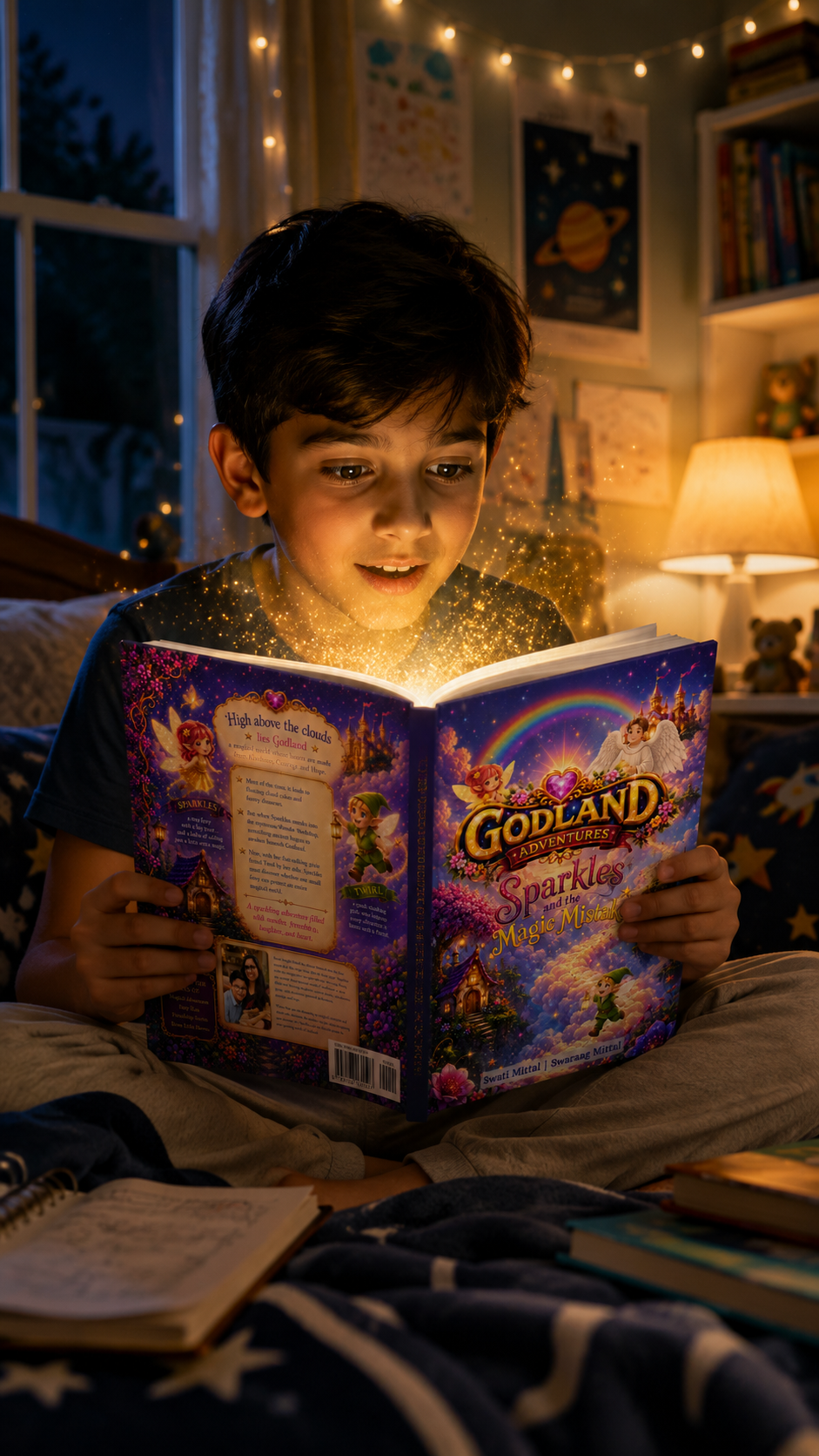
Resilience is not something children are simply born with; it is a capacity that is built over time through experiences, relationships, and—very often—the stories they read. In child psychology, there is a growing recognition of the role literature plays in emotional development. Understanding how books build emotional resilience in children provides parents and educators with a blueprint for supporting kids through life's inevitable challenges.
By engaging in shared reading, parents can use books as a form of light bibliotherapy for children. Let's look at the science behind building resilience in kids through reading, and explore how emotional intelligence stories for kids and structured coping skills books for children help them grow brave, resourceful, and emotionally stable.
"I am not afraid of storms, for I am learning how to sail my ship." — Louisa May Alcott
The Psychology of Narrative Coping
When a child reads about a character facing a setback, their brain experiences that setback alongside the character. But more importantly, the child also witnesses the character's recovery. This is called narrative coping. By seeing a storybook hero make a mistake, feel sad or angry, and then find a way to make things right, the reader internalizes a vital truth: disappointment is temporary, and recovery is always possible.
How Godland Adventures Teaches Emotional Resilience
In Godland Adventures: Sparkles & the Magic Mistake, the theme of resilience is central. Sparkles the Fairy makes a massive error in the cloud workshop, which creates a storm of chaos. Instead of hiding from her mistake or giving up, Sparkles goes through a detailed process of emotional recovery:
- Acknowledge the Mistake: Accepting that a mistake was made without self-blame.
- Seek Support: Confiding in trusted friends (like Barney and Twirl).
- Take Action: Working to mend the broken clouds and restore harmony in Skyreach.
3 Practical Ways to Build Resilience Through Reading
- 1. Talk About the "Messy Middle": When a character is in the middle of a challenge, pause and discuss it. Ask: "Sparkles is feeling worried right now. What do you do when you feel worried?" This normalizes difficult emotions.
- 2. Model Self-Regulation: Point out how characters calm themselves. For example, when characters in Godland take deep breaths to fill their "Treasure Bags" with calm energy, practice those breathing exercises together.
- 3. Celebrate the Effort, Not Just the Magic: Emphasize that characters solve problems through determination and cooperation, not just magic. This reinforces a growth mindset in children, teaching them that effort is the key to overcoming obstacles.
Unlocking Inner Strength
Ultimately, a child who reads widely is a child who is equipped with multiple perspectives and coping strategies. By reading stories that weave emotional intelligence into high-flying adventures, children learn that they have a reservoir of strength inside themselves. Books are more than entertainment—they are the training grounds for resilient hearts.