
The early years of a child's life are a golden window for cognitive and emotional development. During this stage of rapid growth, children are not just learning how to decode letters—they are learning how to decode the social world around them. Introducing values-based reading for early learners is one of the most proactive steps parents can take to support character education and build essential social skills.
Rather than relying on abstract rules, stories present values in action. High-quality social emotional learning books and character education books for preschoolers transform concepts like kindness, honesty, and sharing into relatable, narrative moments. Let's explore how teaching values through stories works, and identify the essential morals in early childhood reading that help young children flourish.
"It is easier to build strong children than to repair broken men." — Frederick Douglass
What is Values-Based Reading?
Values-based reading is the intentional practice of using stories to highlight and discuss moral values, emotional regulations, and interpersonal relationships. For preschoolers and early elementary students, these values should not feel like dry lectures. Instead, they should be woven into delightful adventures that feature lovable characters, magic, and humor.
Essential Morals for Early Childhood Reading
When curating a library for early learners, look for stories that focus on the following foundational pillars:
- Honesty and Self-Acceptance: Learning that it is okay to make mistakes and that owning up to them is a mark of true strength.
- Empathy and Caring: Recognizing when someone else is sad or hurt, and taking active steps to help them feel better.
- Patience and Persistence: Understanding that some things require time and repeated effort, just like characters learning to fly or brew potions.
- Cooperation: Discovering that working together makes complex tasks easier and much more enjoyable.
How Godland Adventures Supports Values-Based Education
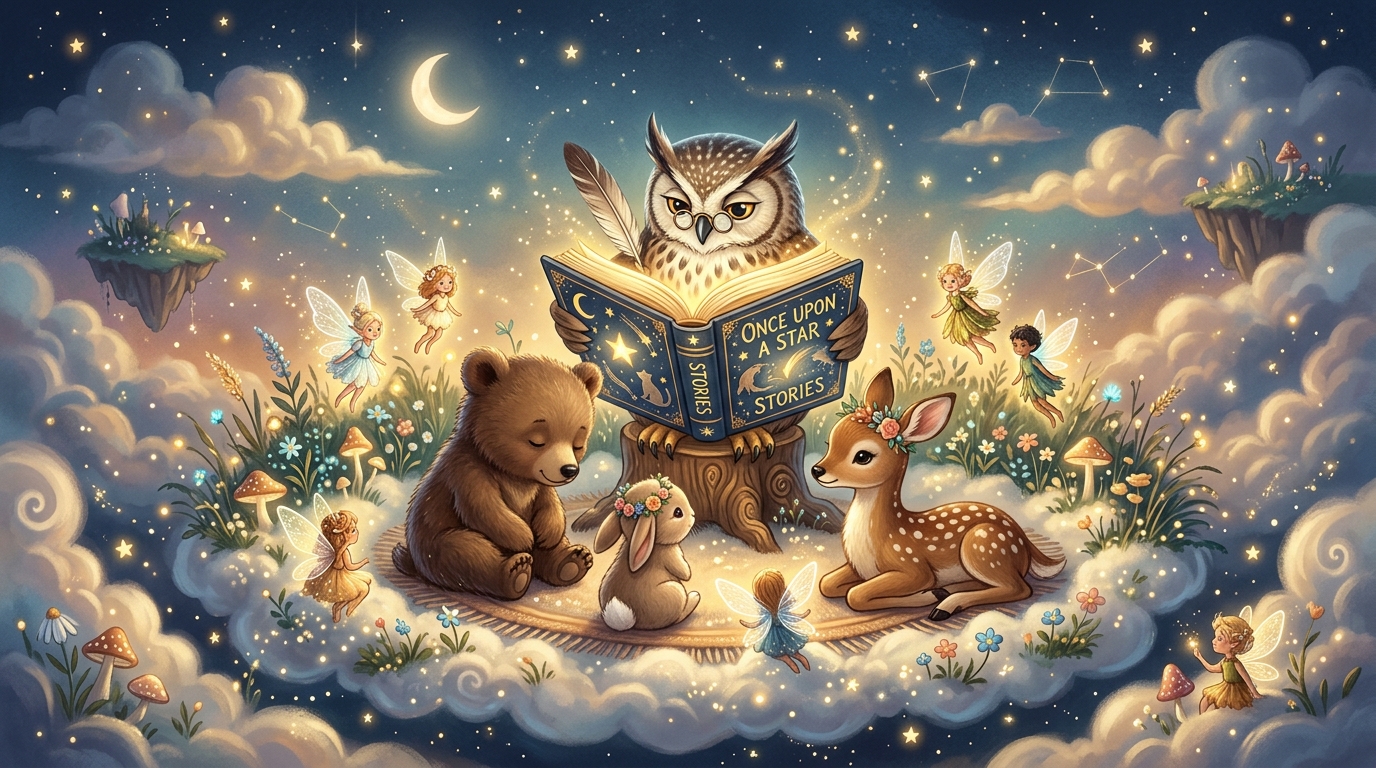
In the world of Godland, characters represent different aspects of emotional growth. Barney the Dog shows unwavering kindness and support; Twirl is always ready with hope and high energy; and Sparkles models self-acceptance as she fixes her magic mistake. By sitting with baby animals, fairies, and pixies to listen to these tales, early learners discover that values are not limits on their fun, but the very wings that allow them to fly high in their own daily lives.
Tips for Parents: Reading for Character
To make the most of your reading time, choose books with large, colorful illustrations that prompt conversations. Point to a picture and ask: "Why do you think the baby animal is smiling?" or "Look at how the fairy is helping her friend up." By connecting the story's events to their own feelings, you help early learners plant deep seeds of character that will grow with them for a lifetime.